


HPC-Enhanced Web Tool for Molecular Complex Rescoring
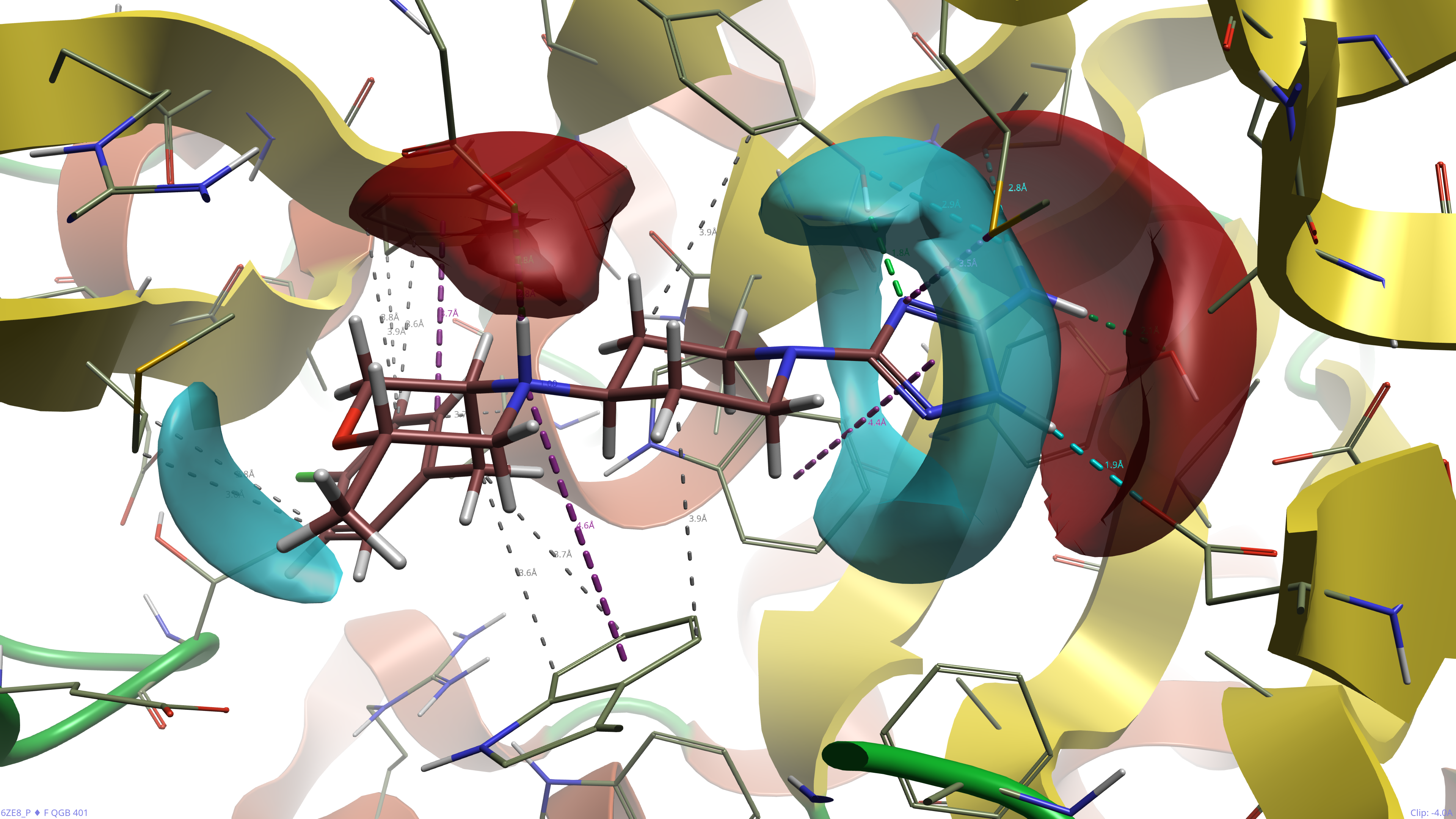
Ascentia and the Electron Density Modeling Group from the University of Warsaw will collaborate in an FFplus business experiment to develop Q-TEP, an HPC-integrated web service for the post-docking rescoring of ligand–receptor interactions. While molecular docking is effective at generating potential binding geometries, conventional scoring methods often struggle to accurately rank these poses according to experimentally observed binding affinities, resulting in a high number of false positives during virtual screening. The project addresses the challenge of providing a fast and accurate assessment of electrostatic complementarity based on quantum-mechanical electron density, without requiring users to possess expertise in quantum mechanics or High-Performance Computing. To achieve this, the consortium will develop a TAAM/MATTS-based scoring module, create a user-friendly web-based Software-as-a-Service (SaaS) platform, and integrate the solution with HPC infrastructure to enable efficient large-scale calculations.
The resulting platform will be validated using established benchmark datasets, with the goal of delivering a practical and accessible tool that improves the reliability of virtual drug discovery workflows while making advanced quantum-based scoring methods available to a broader scientific and industrial user community.
Organisations involved:
End-User: Ascentia Ltd.
Technology Expert: University of Warsaw