

From Innovation to Business Impact: FFplus Industry Forum Showcases How HPC and AI Drive European Competitiveness

By placing real business challenges and company experiences at the centre of the discussion, the FFplus Industry Forum underlined a key message for Europe’s digital future: HPC and AI create the greatest value when advanced technology is connected to industrial needs, the right expertise and a clear path towards implementation.
Munich, 28 October 2026 – How can European businesses turn advanced computing and artificial intelligence into tangible business value? This was the central question addressed at the FFplus Industry Forum, held in Munich under the theme From Innovation to Business Impact. The event brought together small and medium-sized enterprises (SMEs), industrial users, technology providers, high-performance computing (HPC) experts and innovation stakeholders to explore how advanced digital technologies are helping businesses innovate, improve efficiency and strengthen their competitiveness.
As AI adoption accelerates and businesses face growing pressure to innovate, access to computing power and expertise is becoming an increasingly important factor in Europe’s industrial competitiveness. The Forum provided a platform for moving beyond technological potential to examine real business applications, practical implementation challenges and lessons learned by companies already using HPC and AI.
Turning advanced technologies into real business value
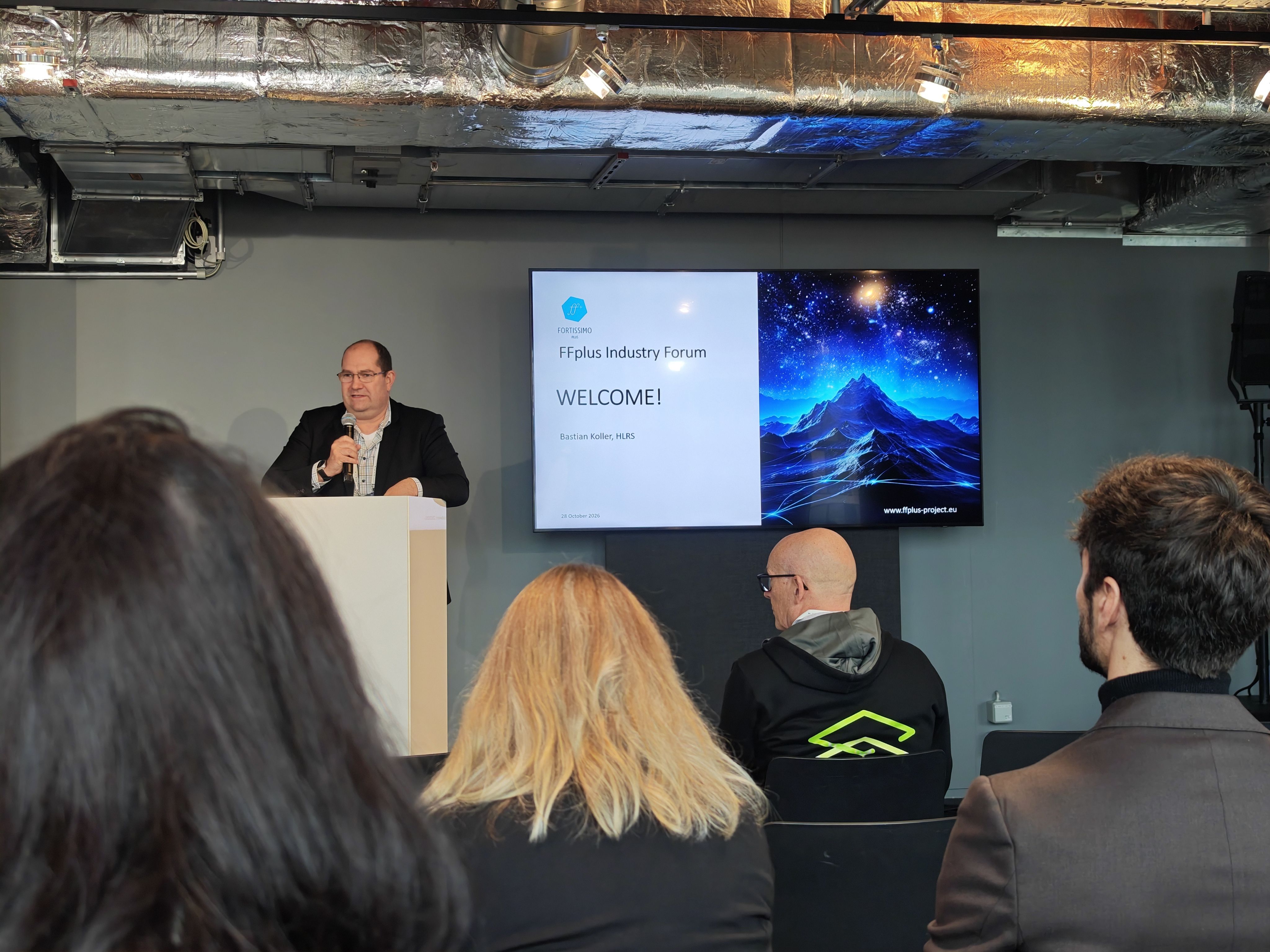
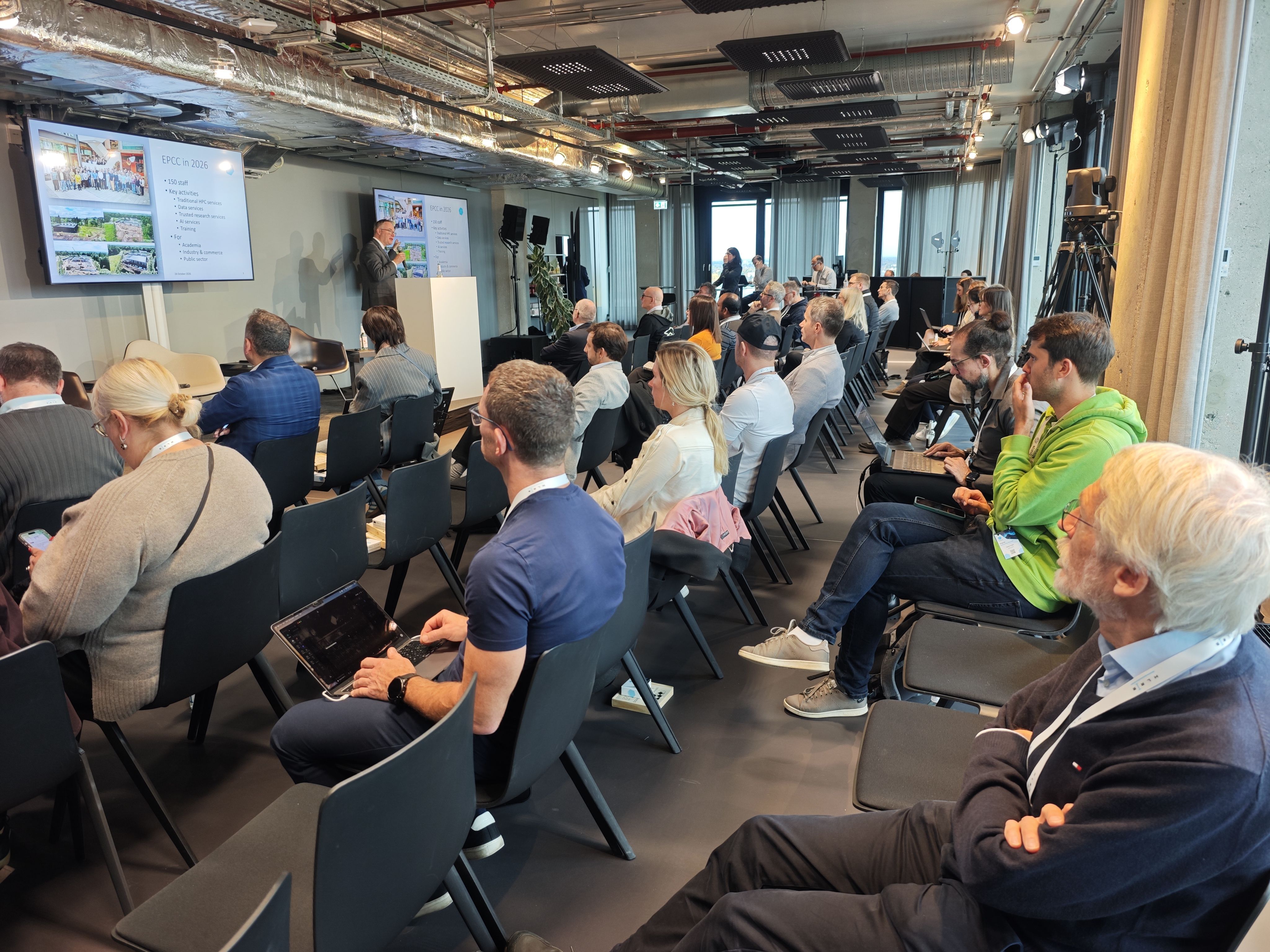
The Forum was opened by Bastian Koller, HLRS, highlighting how more than a decade of Fortissimo projects helping businesses harness High-Performance Computing to solve real-world challenges, accelerate innovation and improve competitiveness.
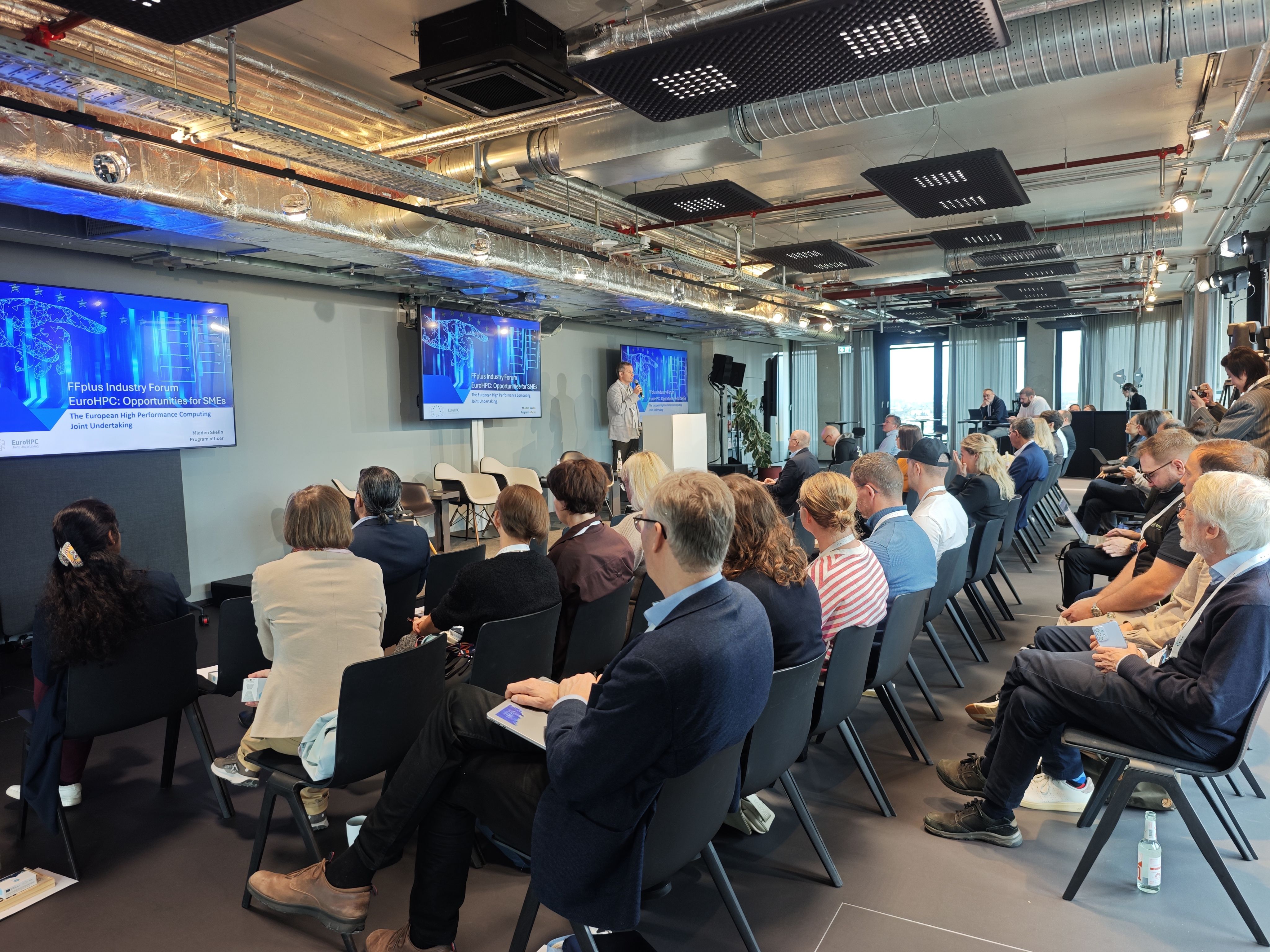
Mladen Skelin, Programme Manager at EuroHPC JU, provided an insight into how EuroHPC Joint Undertaking (EuroHPC JU) supports EU ecosystem with providing access to supercomputers and funding through the R&S projects.
A key focus of the Forum was the role of HPC in helping SMEs address challenges that would otherwise be difficult, costly or time-consuming to solve. Through the FFplus project, companies that was awarded through the open calls, have been able to explore advanced computing, develop innovative solutions and accelerate their journey from experimentation towards market-ready products and services.
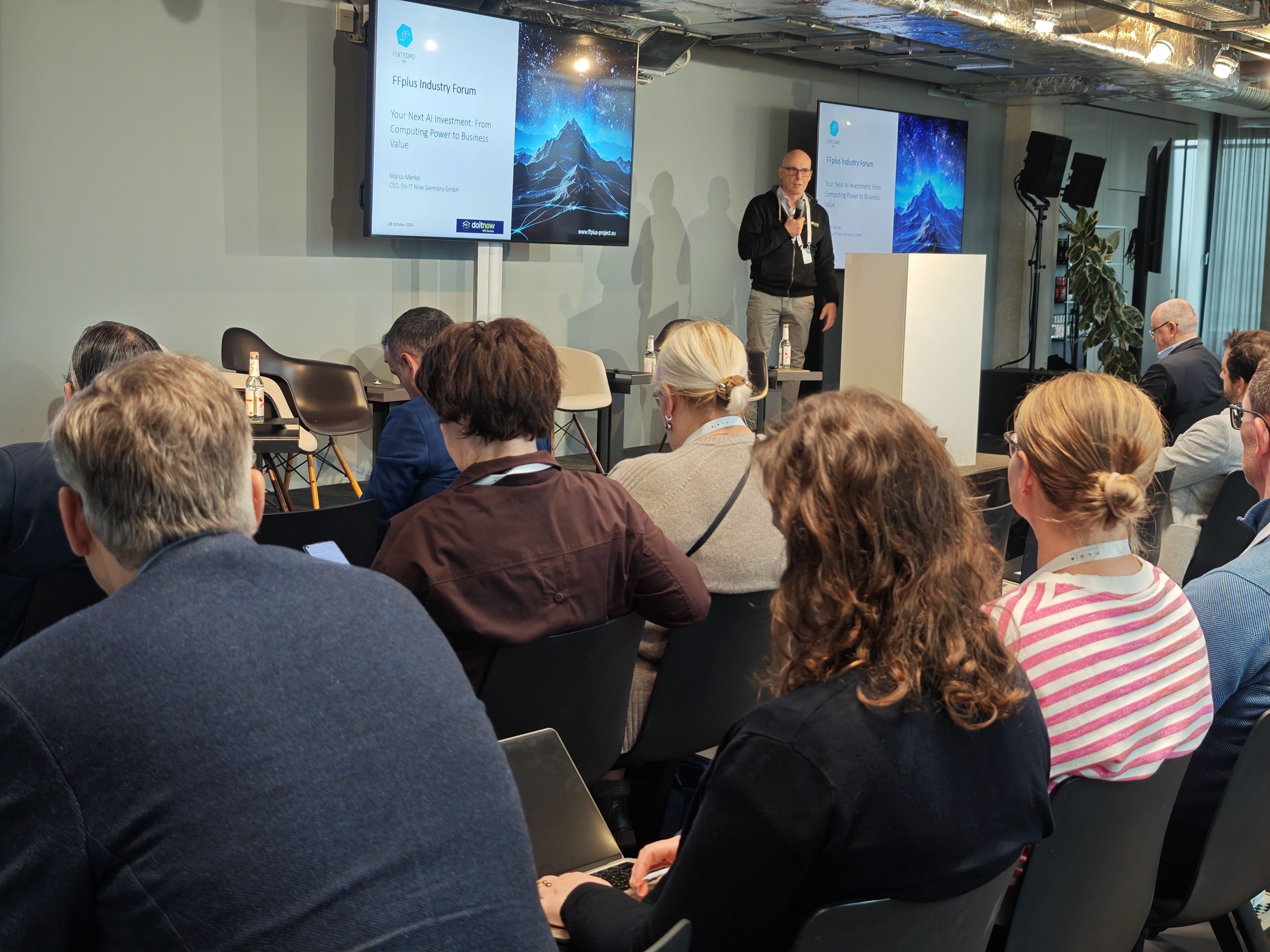
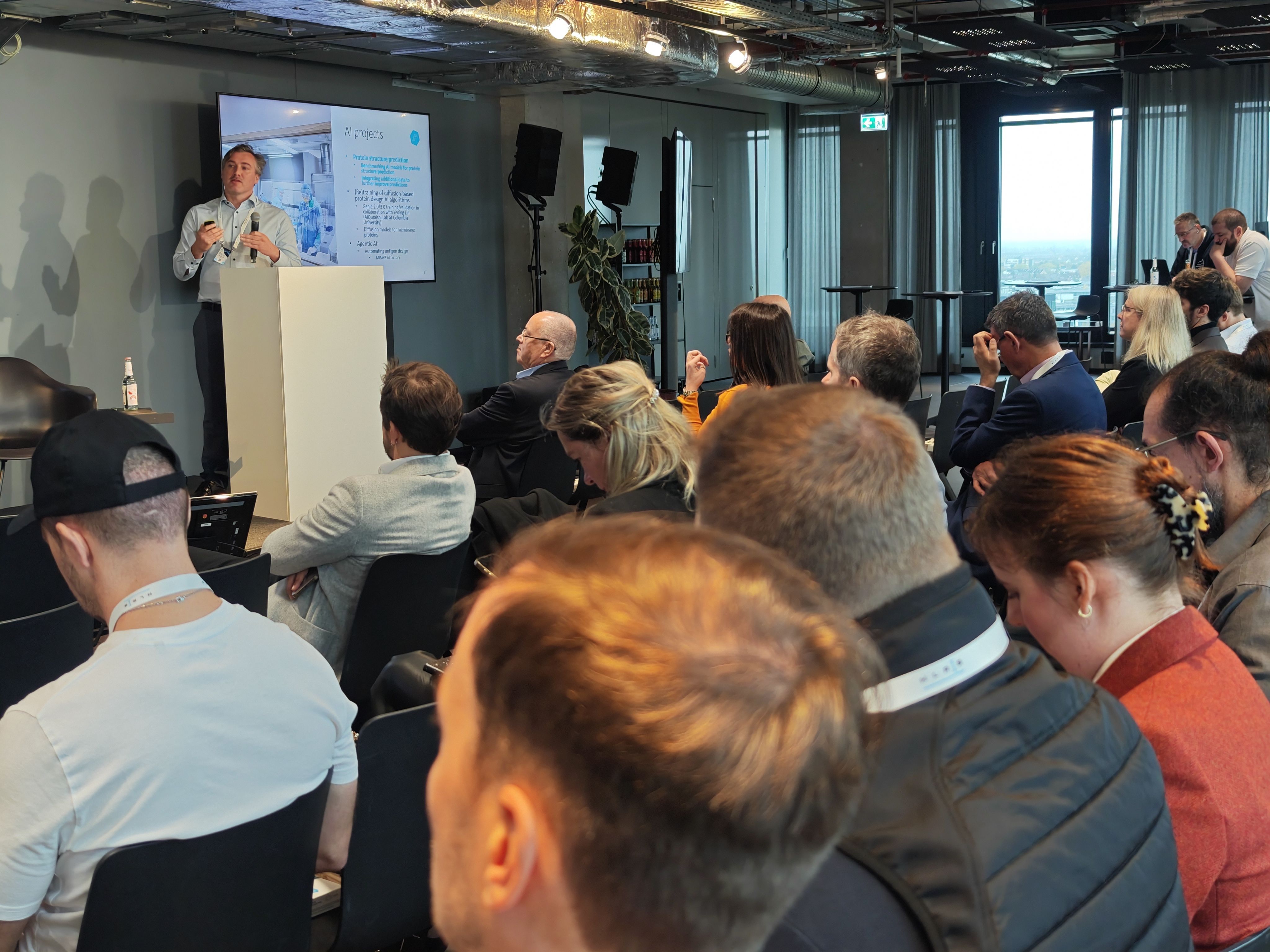
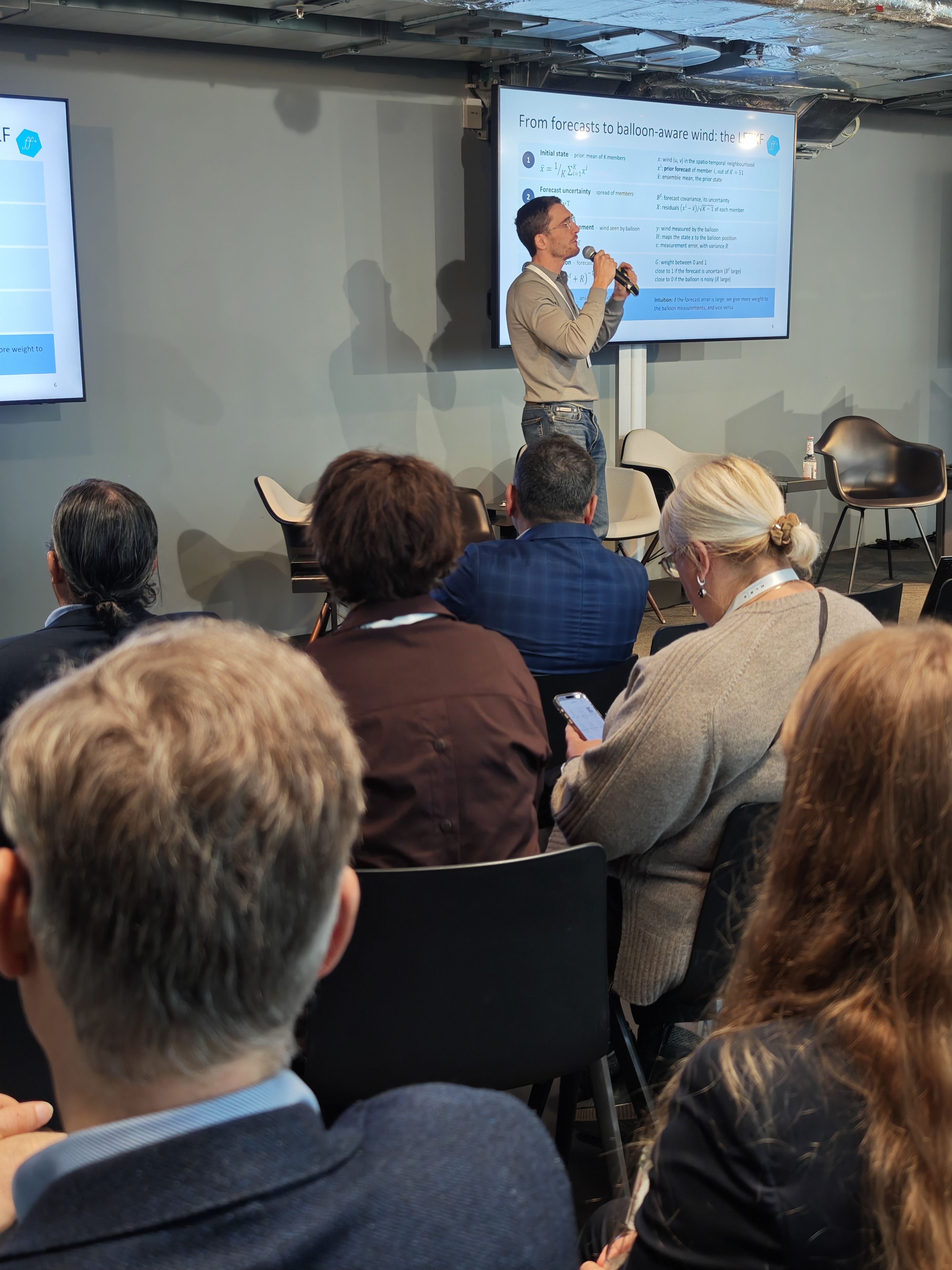
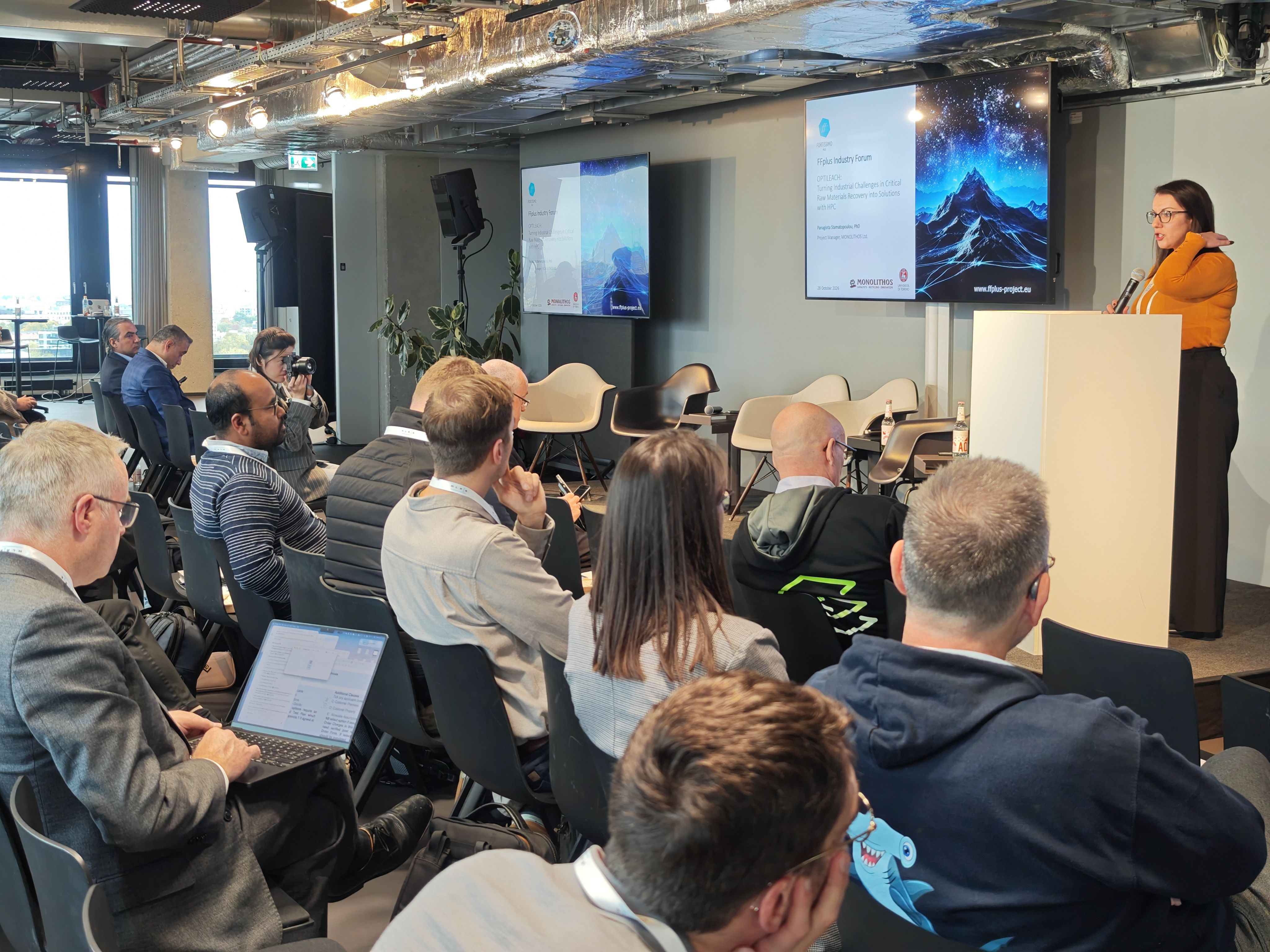
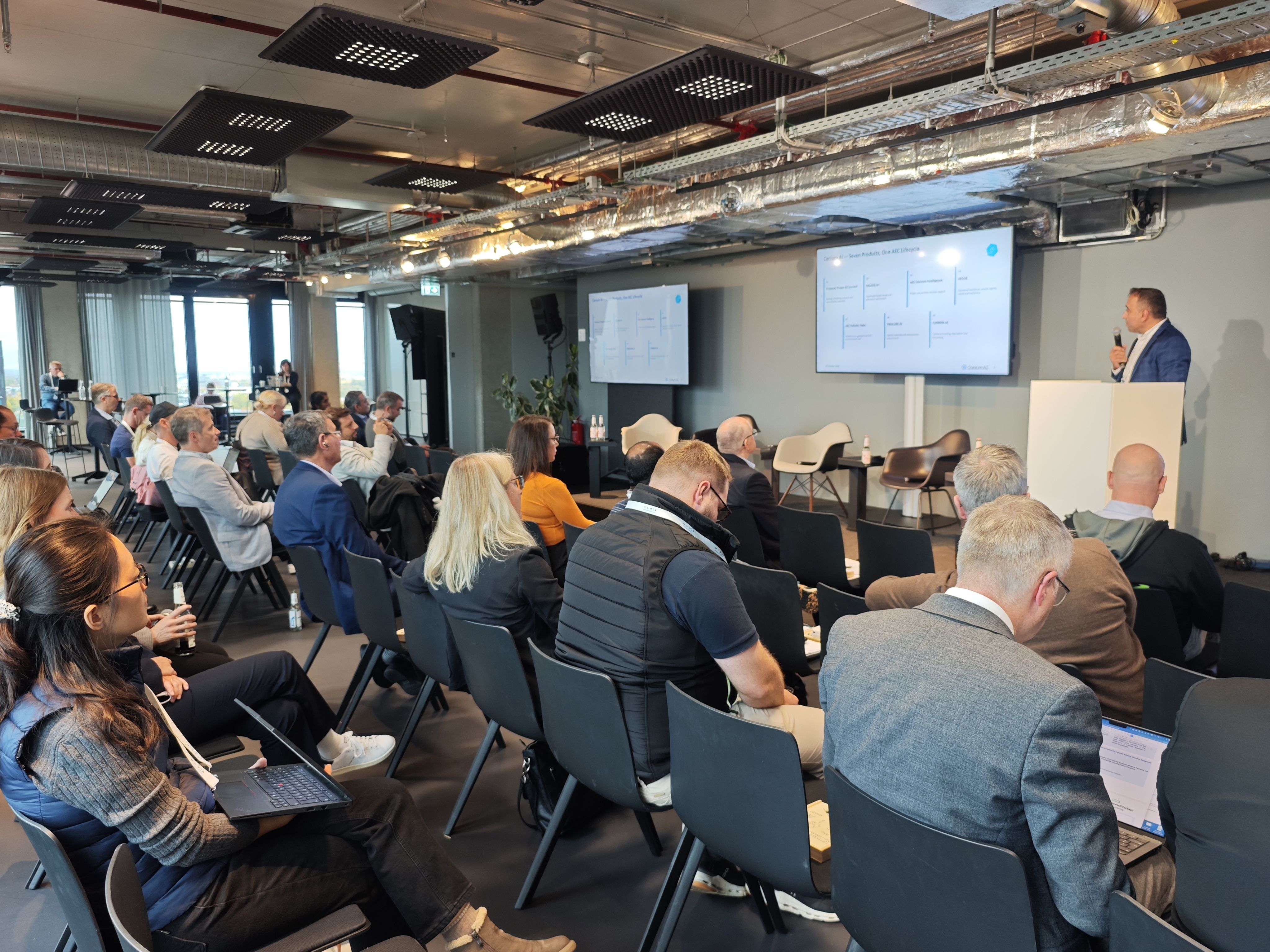
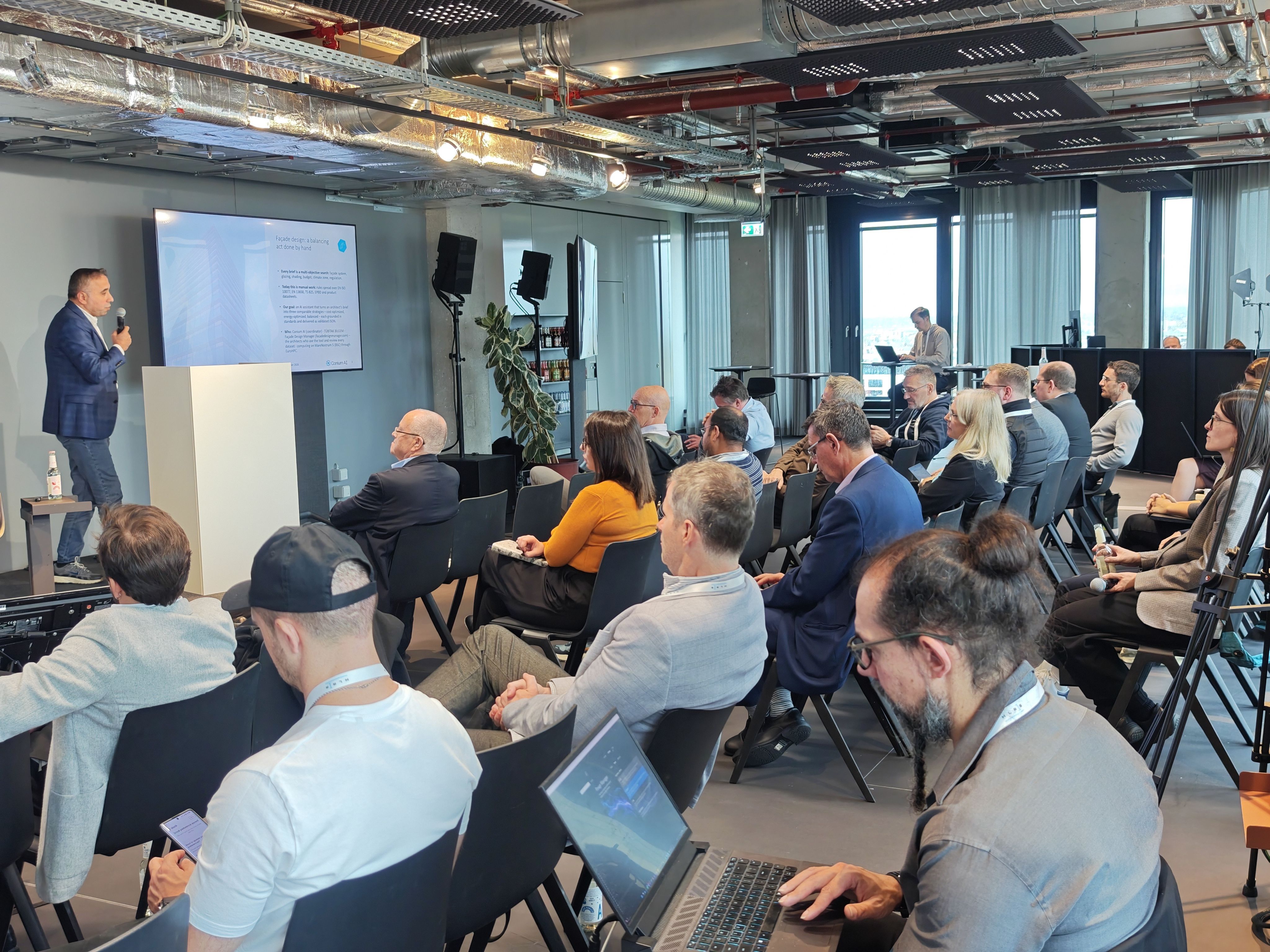
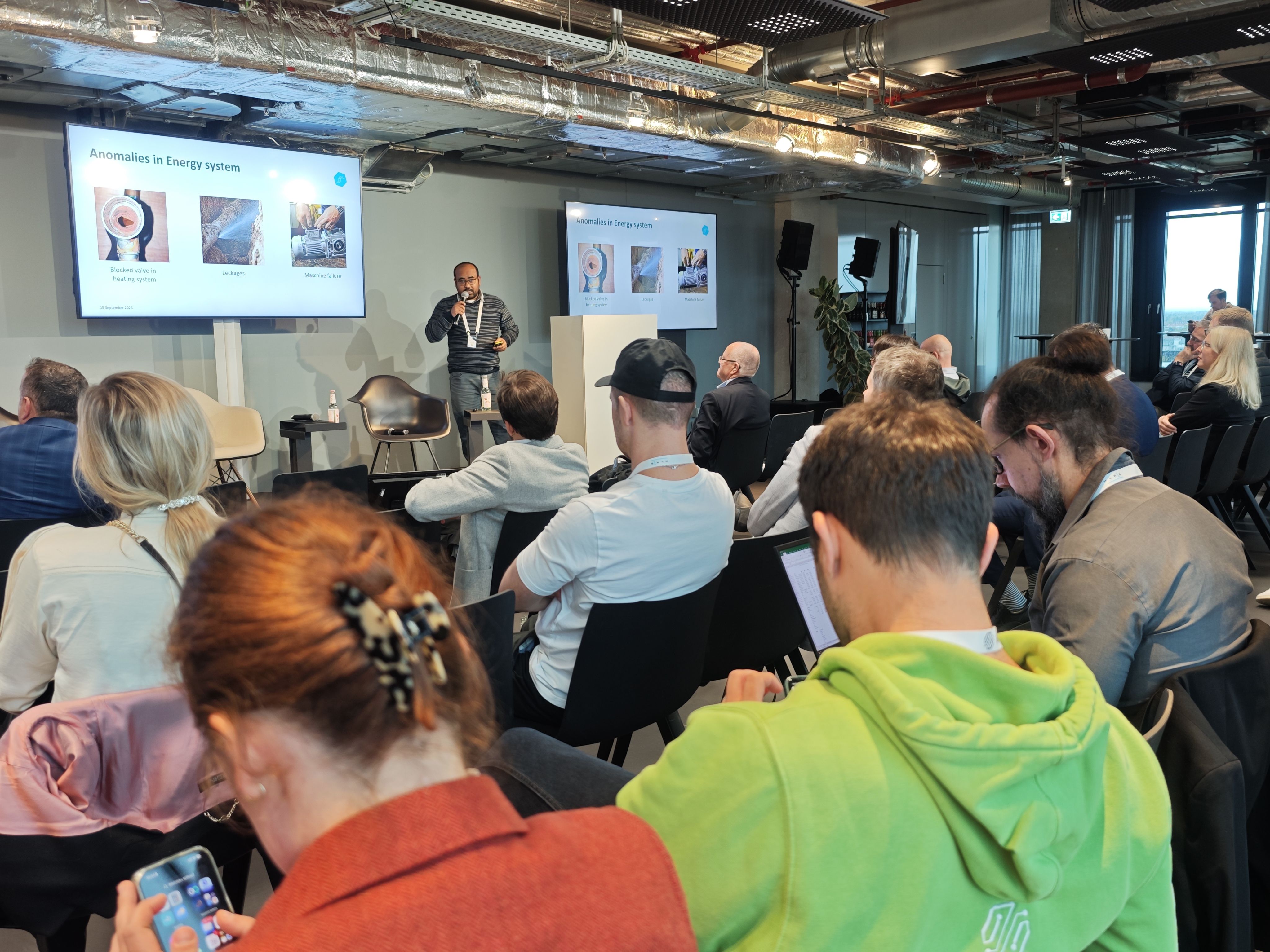
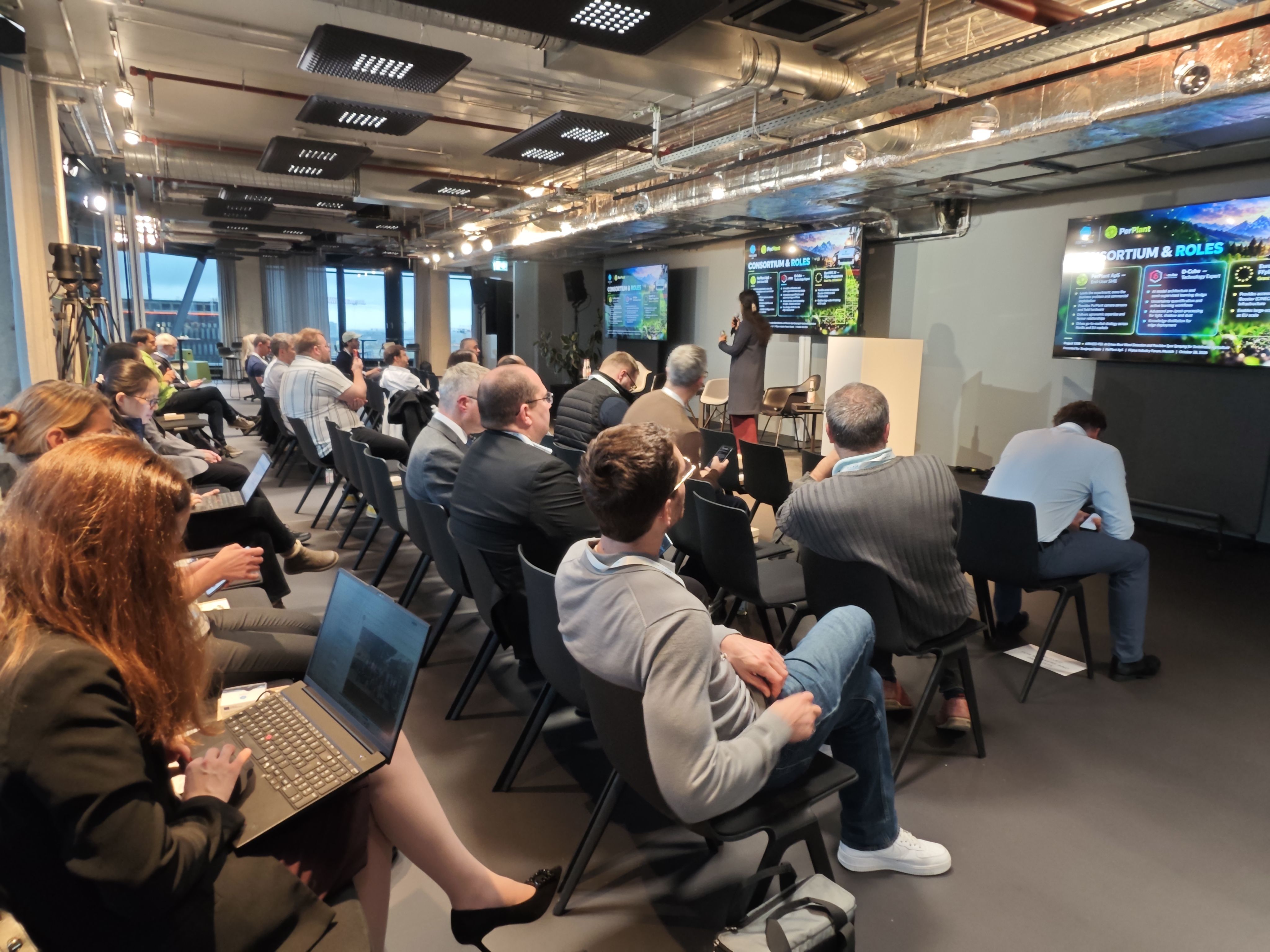
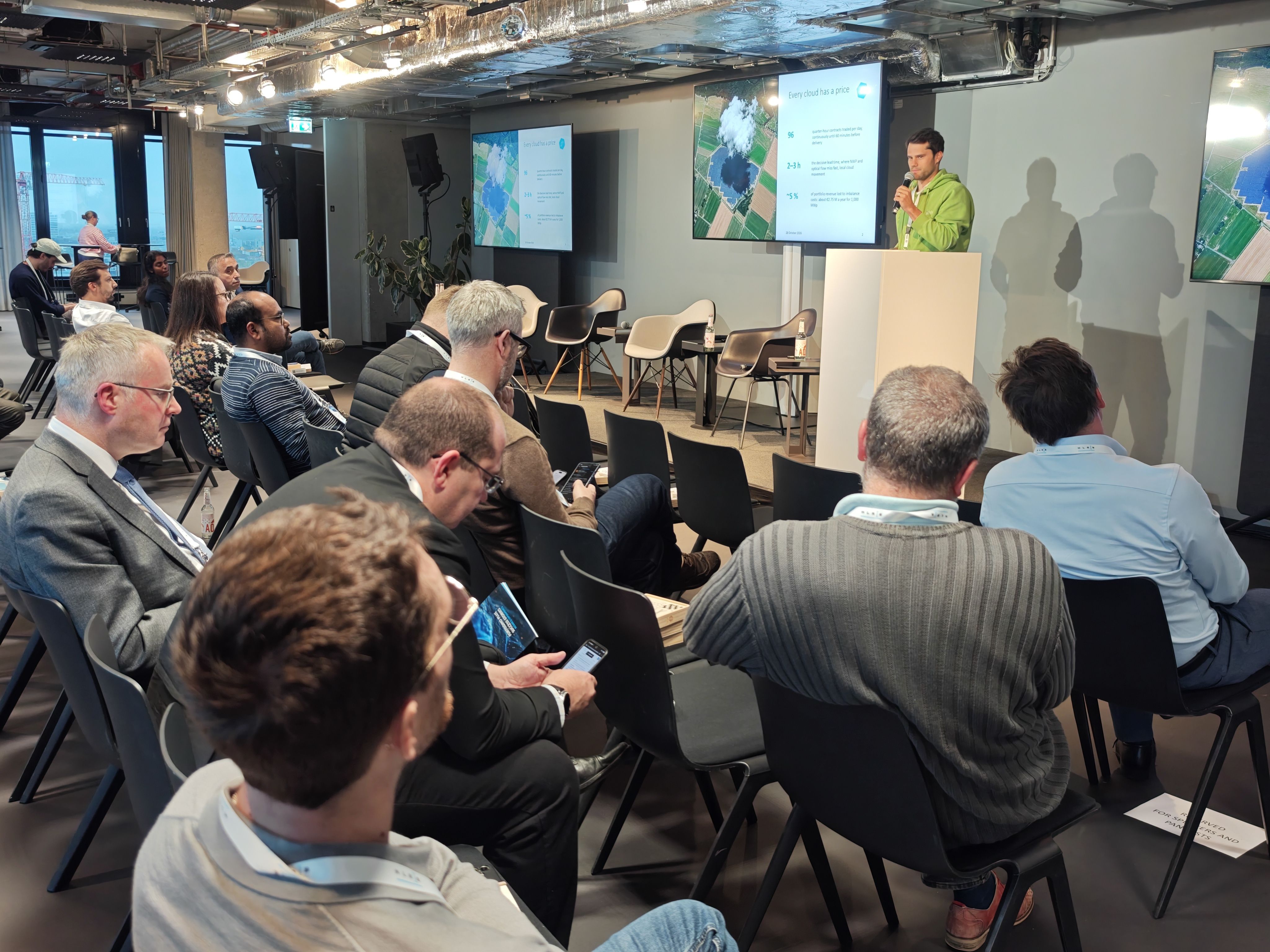
SMEs Puxano, Involve Space, Monolithos, CONIUM AI, Imted, PerPlant ApSand Alitiq featured industrial success stories demonstrating the diverse applications of HPC and AI, including AI-assisted protein structure prediction, atmospheric forecasting, critical raw materials recovery, energy management, agricultural weed detection and weather forecasting for energy trading. These examples illustrated how access to advanced computing infrastructure can support innovation across sectors, from life sciences and manufacturing to agriculture and energy.
The presentations also highlighted the importance of combining computing resources with domain expertise, appropriate technical support and a clear understanding of business needs. For SMEs in particular, choosing the right infrastructure and approach can be essential to ensuring that investments in AI and HPC deliver measurable results.
Industry discussions addressed the challenges of adoption
Two panel discussions brought together perspectives from industry, technology providers and research organisations to examine the opportunities and practical challenges associated with adopting advanced computing and AI.
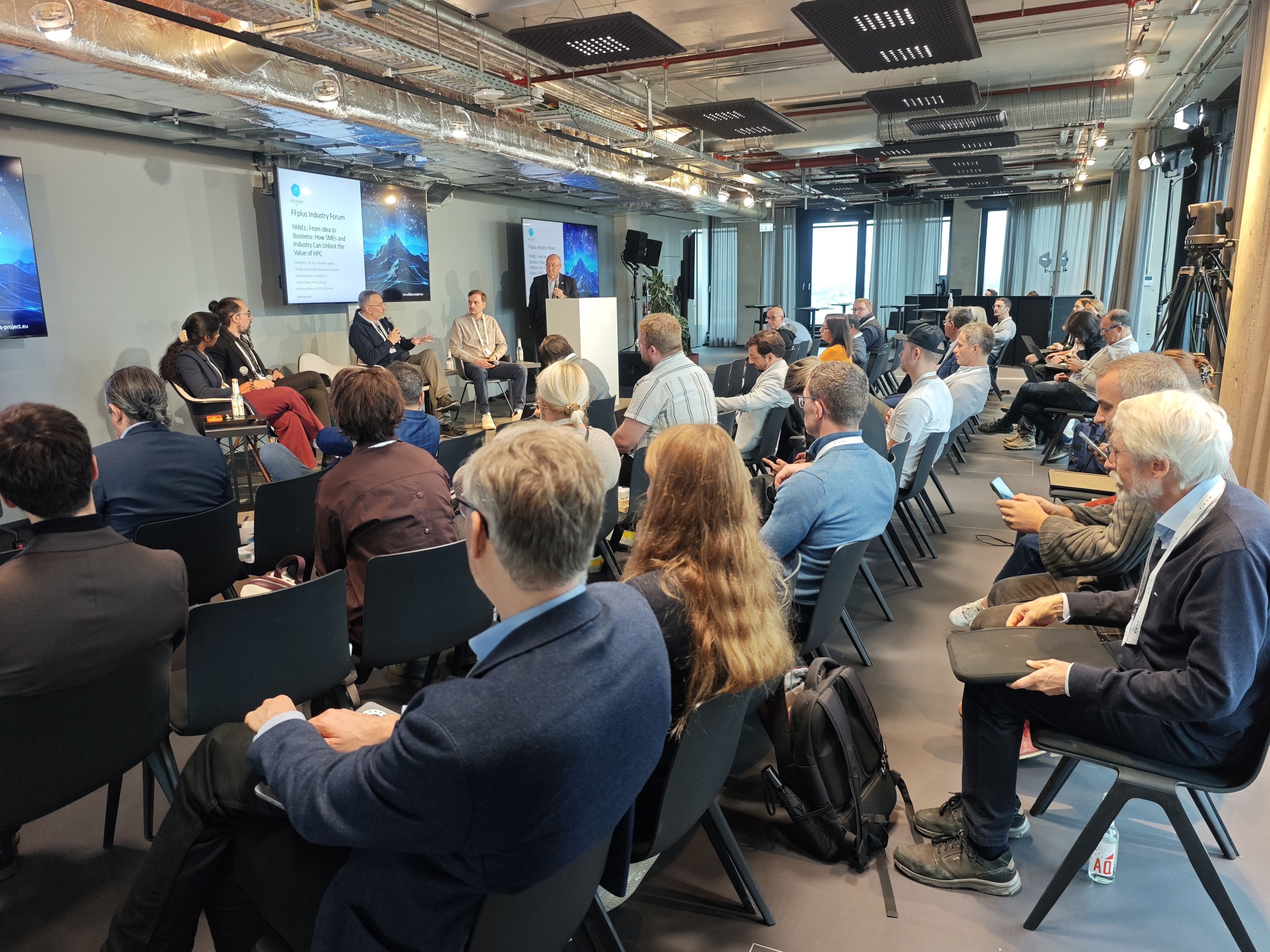
The first panel, From Idea to Business: How SMEs and Industry Can Unlock the Value of HPC, explored how businesses can move from initial experimentation to practical implementation. The discussion moderated by Guy Lonsdale, scapos, and panelists George Stavroulakis, Nessos and NComp, Sowjanya Kauzu, Perplant AI, Gregor Weiss, Merck Group and Andreas Wierse, SICOS BW GmbH, addressed the different needs of SMEs and larger industrial organisations, the lessons smaller companies can learn from established industrial users, and the considerations involved in choosing between external HPC resources and on-premises infrastructure.
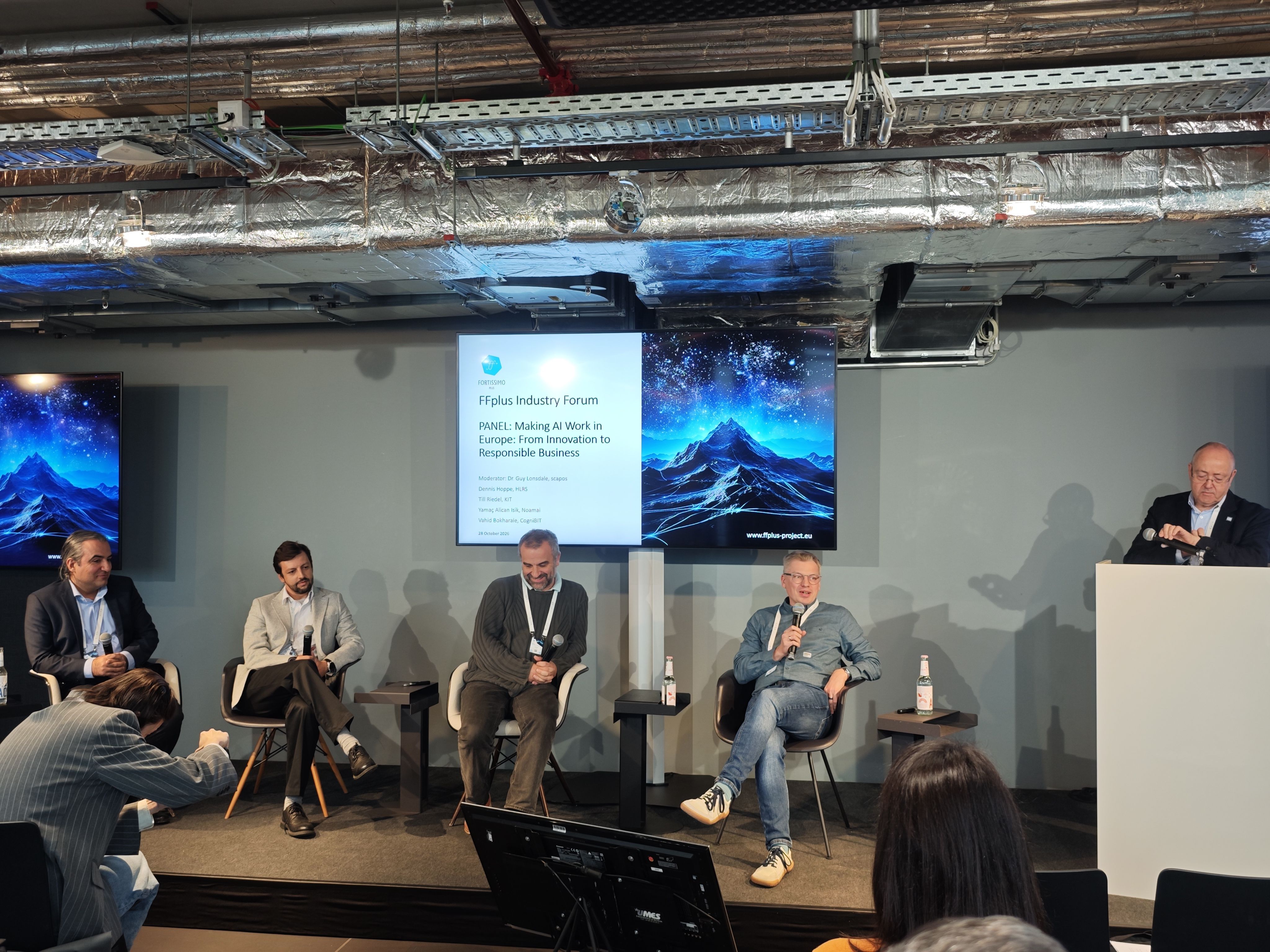
The second panel, Making AI Work in Europe: From Innovation to Responsible Business, focused on the transition from AI experimentation to commercially viable products and services. Panellists Dennis Hoppe, HLRS, Till Riedel, KIT, Yamaç Alican Isik, Noamai and Vahid Bokharaie, CogniBIT, discussed the importance of responsible and compliant AI deployment, including the implications of the EU AI Act and GDPR, and the role of European HPC infrastructure and AI Factories in supporting the development and scaling of competitive AI solutions.
Together, the discussions highlighted a shared priority: ensuring that technological progress translates into practical, trustworthy and commercially sustainable innovation.
Building a stronger European innovation ecosystem
Beyond the presentations and panel discussions, the Forum created opportunities for networking, knowledge exchange and new connections between companies, computing experts and innovation stakeholders. By bringing together organisations with different levels of experience and expertise, the event supported dialogue on how to make advanced computing more accessible and useful to European businesses.
The Forum also reinforced the importance of collaboration across the European HPC and AI ecosystem. SMEs need not only access to computing resources, but also guidance, technical expertise and opportunities to learn from the experiences of other businesses. Initiatives such as FFplus help bridge this gap by supporting companies in exploring and applying advanced technologies to real industrial challenges.