


Competitiveness in the Design of Rowing Boats using AI and HPC
Organisations involved
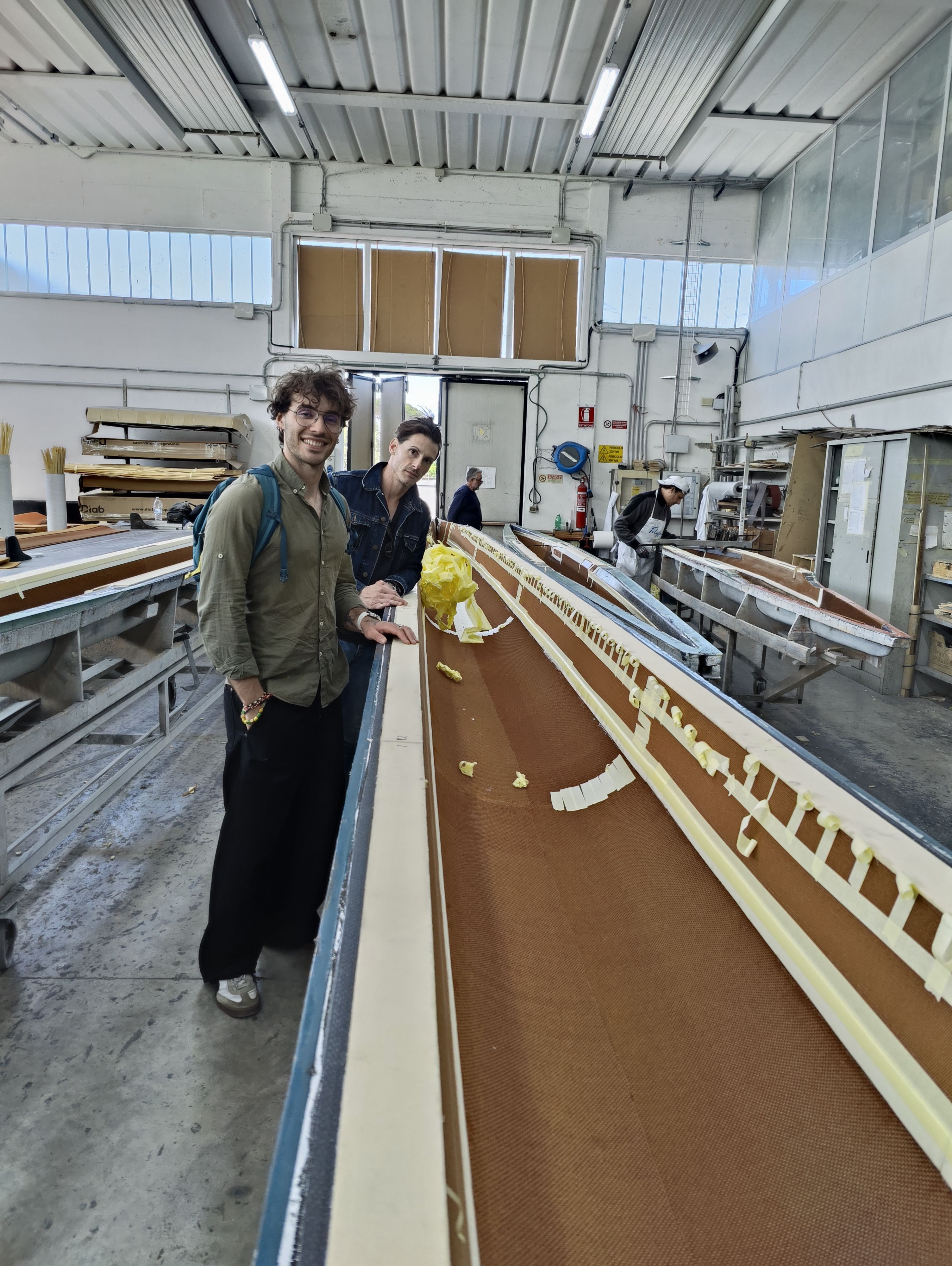
Filippi Boats is an Italian SME building Olympic and Paralympic-class rowing boats for international federations and elite crews worldwide.
81Watts is an Estonian SME applying computer science, HPC, AI and mathematical modelling to DeepTech innovation.
Politecnico di Milano - DAER contributes aerospace and fluid-dynamics expertise.
NTUA provides engineering research, optimisation methods, advanced simulation and HPC expertise.
The challenge
Filippi Boats manufacture elite rowing craft, where marginal gains in hull shape, stability and resistance can decide race outcomes. Its market includes Olympic and Paralympic boats, but Paralympic design adds a further challenge: each athlete or crew may need a boat that compensates for different physical constraints while maintaining top performance. Traditional design relies on standard hull families, limited testing and engineering judgement, making it too slow and costly to explore the hundreds of variants needed for crew-specific optimisation.
The business bottleneck was the time and risk involved in developing customised racing shells. Filippi needed a process that could test configurations before fabrication, reduce trial-and-error, and respond faster to customer requirements. HPC was essential because high-fidelity CFD simulations of boat hydrodynamics are computationally intensive, and optimisation requires many simulations to be run and compared. By using HPC for simulations and AI training at scale, the partners could create a workflow that was not feasible on standard workstations. The innovation is a simulation-driven, AI-assisted process that makes customised Paralympic and elite rowing boat design faster, repeatable and commercially scalable.
The solution
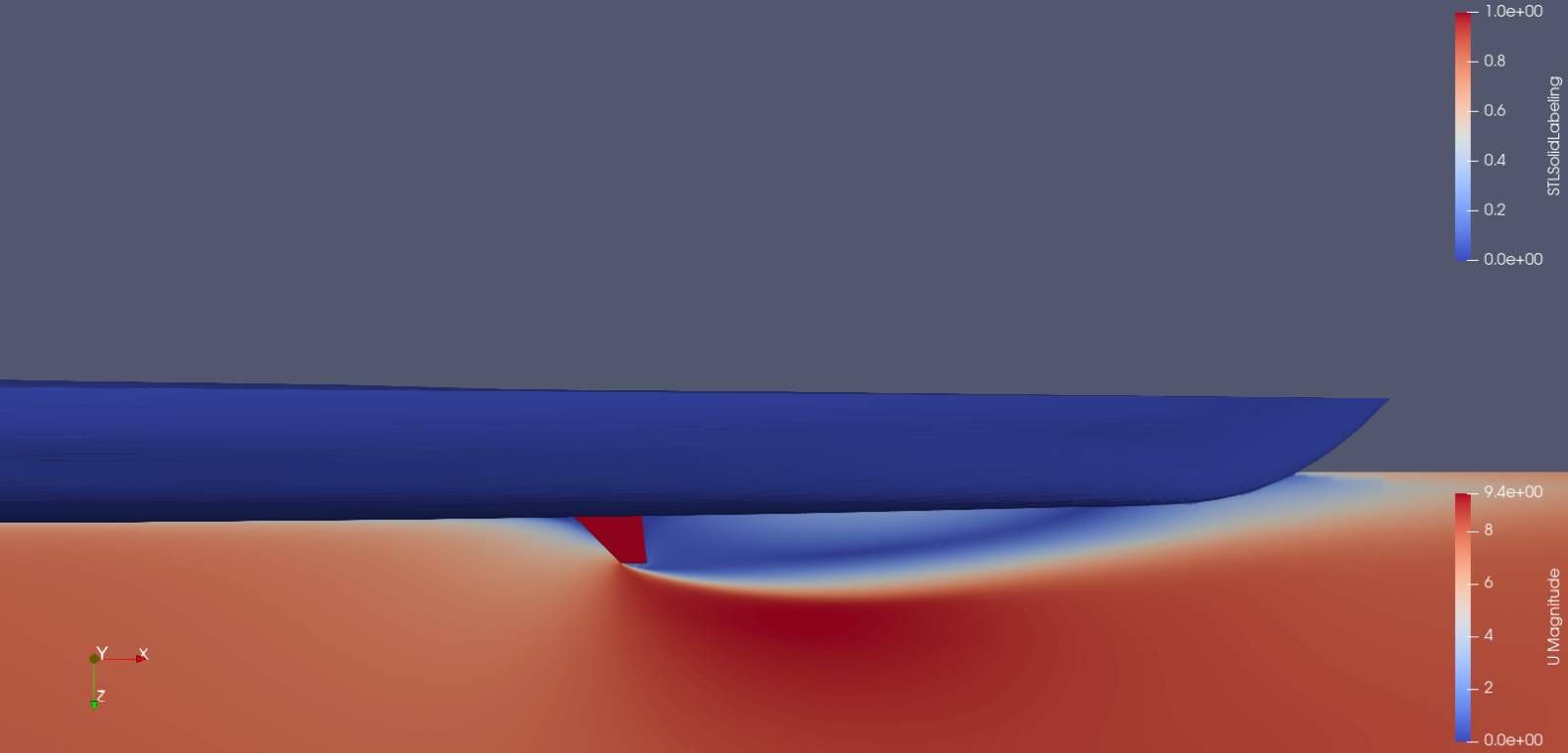
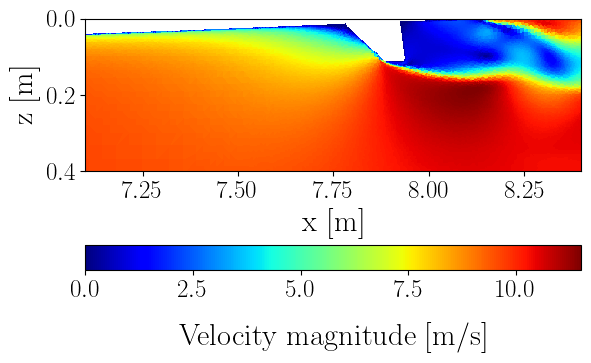
The partners developed an HPC-enabled CFD workflow to analyse and optimise rowing boat hulls. Filippi, Politecnico di Milano and NTUA defined the boat models, hull parameters and performance targets, while the workflow automated mesh generation and OpenFOAM simulations. HPC allowed many variants to be evaluated in parallel rather than one at a time on local machines.
Filippi and 81Watts used the CFD results to train AI surrogate models, enabling faster prediction of future designs. NTUA integrated these models into a stochastic optimisation platform, with sensitivity analysis to reduce design complexity. The work used the Deucalion HPC infrastructure, up to 64 CPUs and 8 NVIDIA A100 GPUs, and more than 700 hours of compute time for simulation and AI training.
Business impacts
The experiment gives Filippi Boats a stronger route to premium customised products in a market where performance differentiation is commercially important. By moving from judgement-led design to validated simulation before fabrication, Filippi can reduce technical risk, shorten development cycles and respond faster to elite crew requirements. The workflow reduces the design cycle from about 20 days to about three days.
For customers, boat configurations can now be assessed against crew-specific needs before manufacturing, improving confidence that the selected hull will suit the athlete, crew and competition objective. This is especially valuable for Paralympic rowing, where individual requirements influence stability, efficiency and performance. The capability also supports Filippi's ambition to compete more strongly in export markets, including the USA and Asia, with a differentiated simulation-backed offer. For 81Watts, the project created new expertise in CFD, HPC workflows and AI surrogate modelling, opening further consultancy and collaboration opportunities.
Business Benefits
- Design cycle reduced from about 20 days to approximately three days (an 85% improvement).
- HPC-enabled CFD is now integrated into Filippi’s design and fabrication workflow.
- Custom hull options can be simulated for individual crews before manufacturing starts.
- Rapid HPC analysis refines high-performance hull configurations with lower technical risk.
- Simulation-backed design improves responsiveness to elite Olympic and Paralympic customers.
Filippi can strengthen its premium offer and target growth in USA and Asian markets, while 81Watts gains new CFD, HPC and AI expertise.