


HPC-Based Efficiency Optimization of Industrial Fired Preheaters
Organisations involved
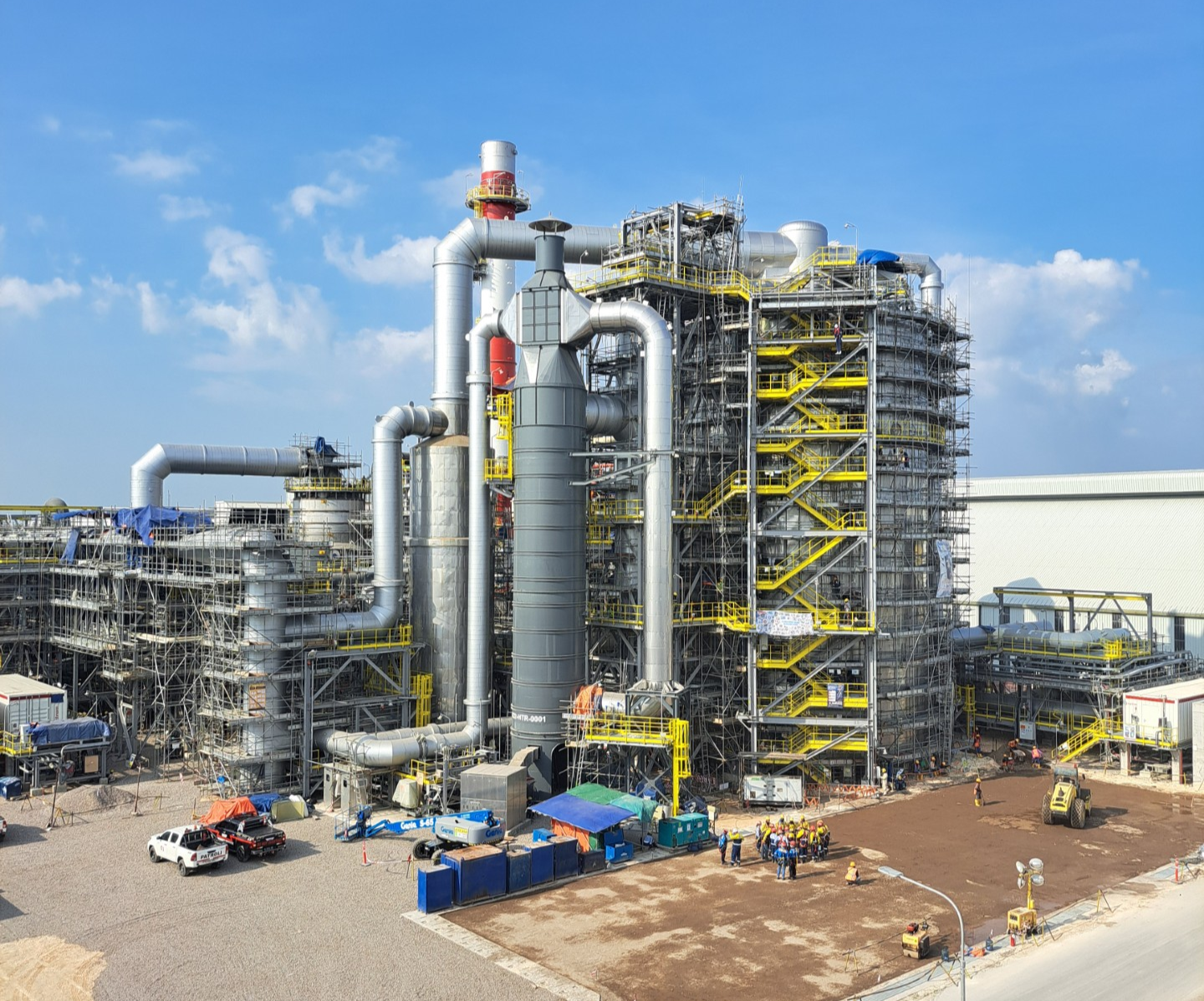
KALFRISA is a Spanish SME developing industrial heating solutions that improve energy efficiency and reduce emissions.
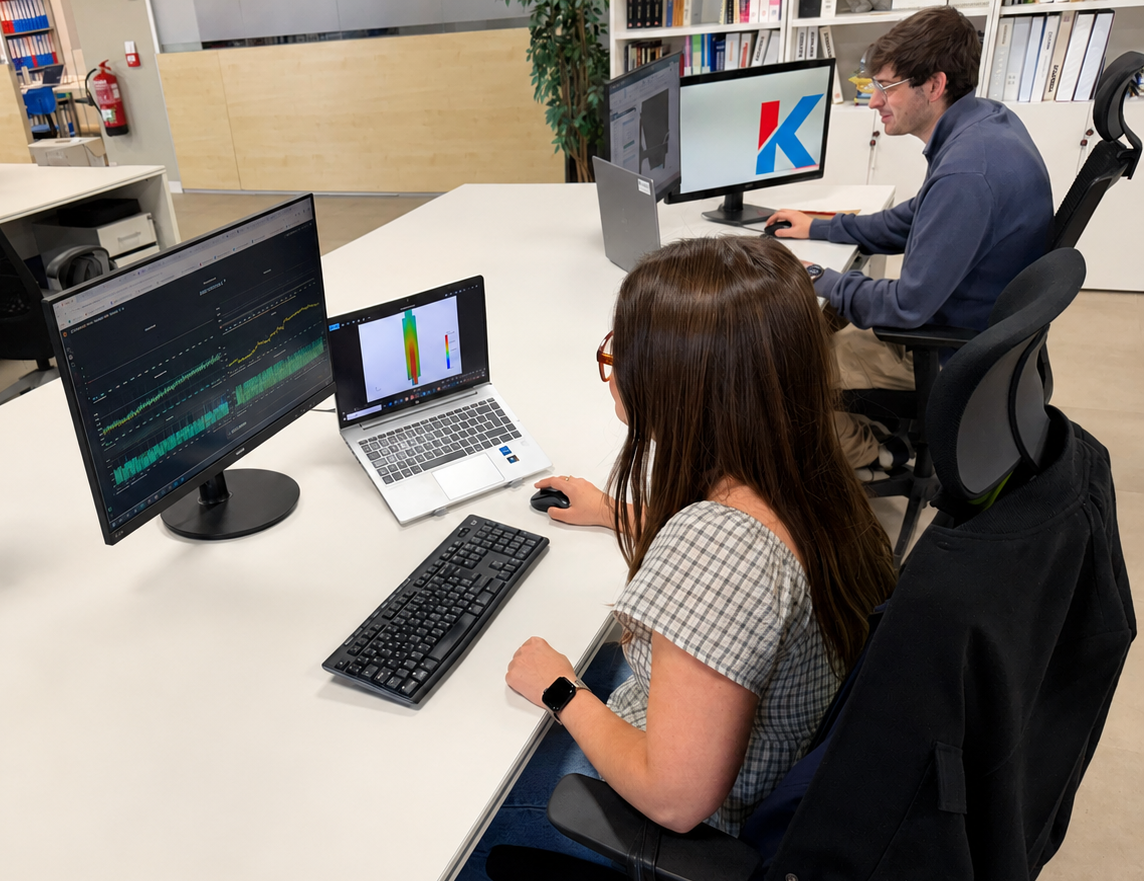
nablaDot is a Spanish engineering SME specialising in simulation, AI, digital twins and industrial optimisation.
The University of Zaragoza–BIFI Institute operates Aragón’s largest research computing centre and provides expertise in high-performance computing and advanced scientific modelling.
The Challenge
Industrial operators face growing pressure to reduce energy consumption, lower emissions, introduce alternative fuels and improve plant reliability. For KALFRISA, this created a business challenge: traditional fired preheater design methods based on semi-empirical correlations and engineering experience could no longer provide the accuracy, flexibility and operational insight demanded by customers.
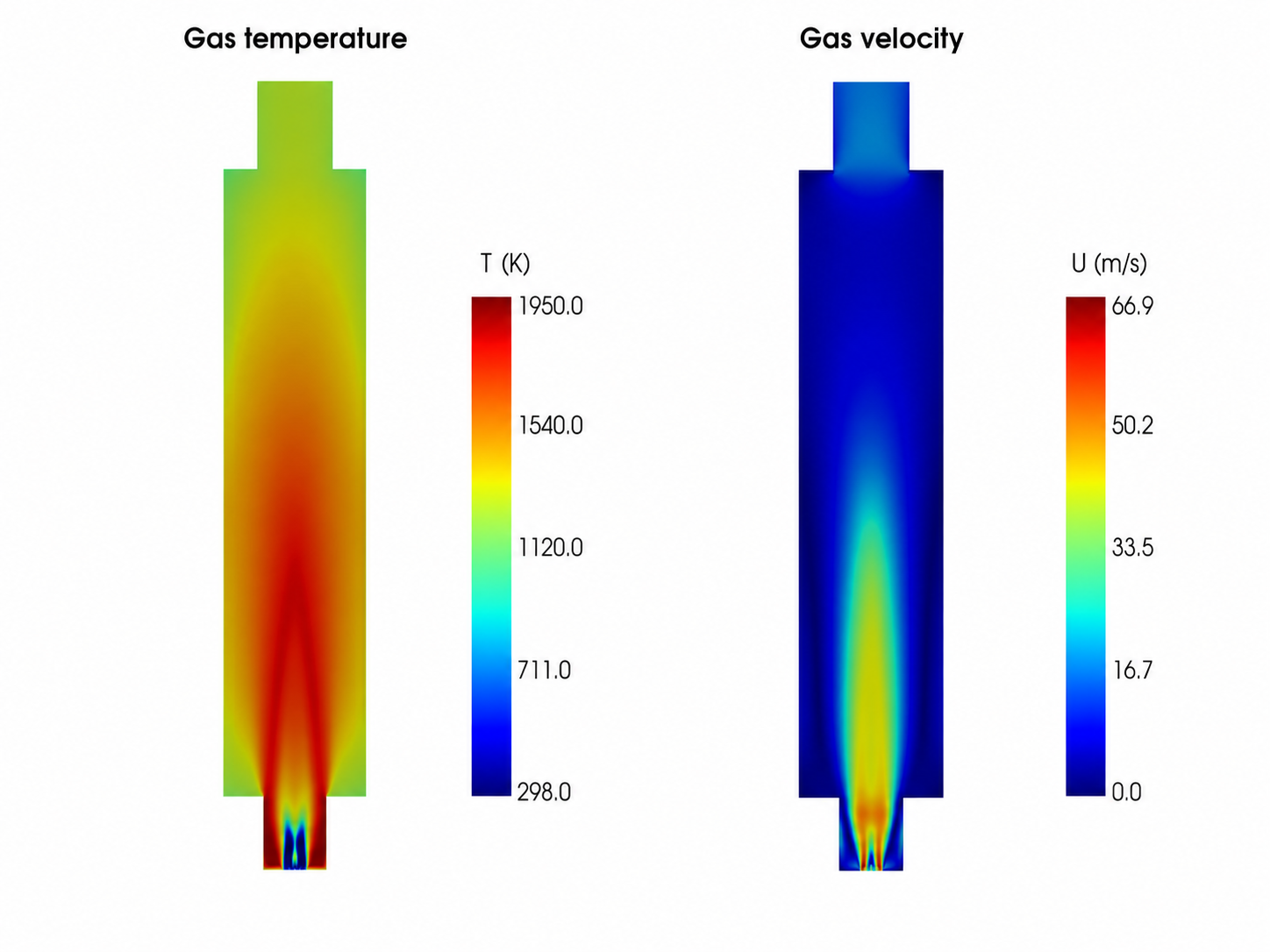
Critical phenomena such as combustion, turbulence, heat transfer and three-dimensional flow interactions are difficult to capture using conventional tools, particularly when evaluating hydrogen and other low-carbon fuels.
To remain competitive, KALFRISA needed digital twin technology capable of supporting equipment design, optimisation and predictive maintenance. However, generating sufficiently accurate models required thousands of high-fidelity CFD simulations. These workloads exceeded the practical limits of engineering workstations because of their large computational and memory requirements. HPC was therefore essential to create validated simulation datasets and transform advanced multi-physics modelling into practical industrial tools that deliver rapid, reliable predictions for real-world operation.
The solution
The business experiment developed a digital twin platform for industrial fired preheaters combining HPC, CFD simulation and machine-learning techniques. Large-scale CFD models of combustion, heat transfer and fluid flow were executed on HPC infrastructure to generate validated datasets covering a wide range of operating conditions, fuels and equipment configurations. These datasets were then used to create reduced-order and AI-based models capable of delivering near real-time performance predictions.
The solution enables plant operators to assess design changes, optimise operating conditions and forecast equipment degradation without requiring specialist simulation expertise. A Remaining Useful Life model was also developed to support predictive maintenance. HPC remains a key enabler for expanding and updating the digital twin as new operating scenarios are introduced.
Business Impact
IGNITE strengthens KALFRISA’s position in the global industrial heating market by extending its portfolio beyond equipment supply into higher-value digital services. The new digital twin capability supports recurring revenue opportunities in optimisation, performance monitoring and predictive maintenance while enhancing differentiation in competitive international markets.
The project also establishes a scalable collaboration model between KALFRISA and nablaDot, combining industrial know-how with advanced digital engineering expertise. For customers, the solution enables more efficient operation, improved reliability and faster evaluation of decarbonisation strategies, including hydrogen adoption.
More broadly, the project supports the digitalisation of industrial thermal processes and contributes to lower energy consumption and emissions across energy-intensive industries.
Business Benefits
- Improves fired preheater efficiency by 5–15% through continuous monitoring and optimisation.
- Reduces thermal energy consumption by 10–35%, lowering operating costs and CO₂ emissions.
- Cuts maintenance costs by 20–30% through predictive maintenance and earlier fault detection.
- Creates new digital-service revenue opportunities for KALFRISA and deployment opportunities for nablaDot.