


Precision Weed Detection for Sustainable Arable Farming
Organisations Involved
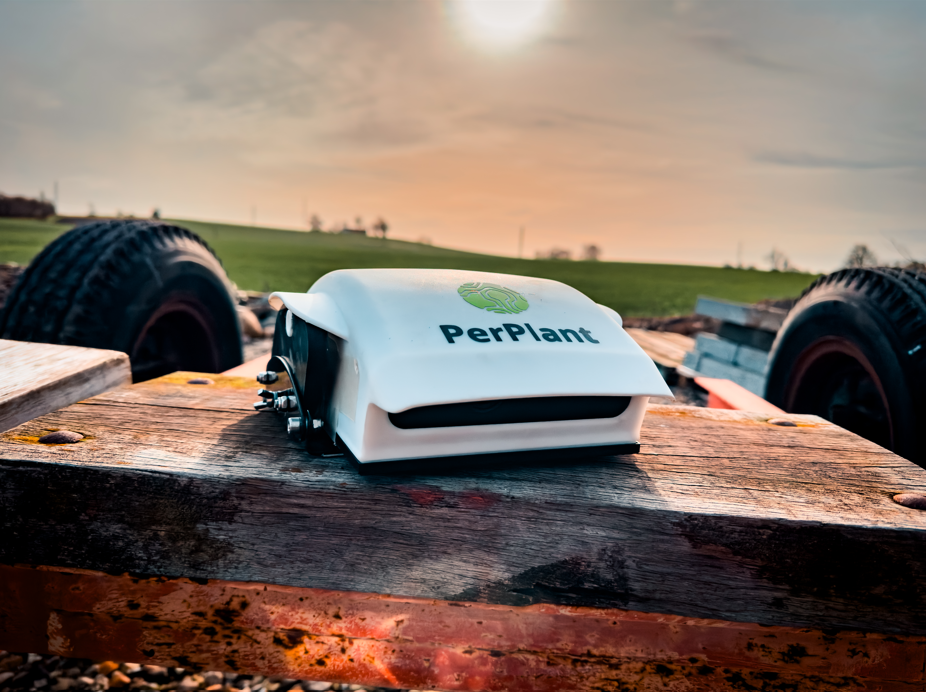
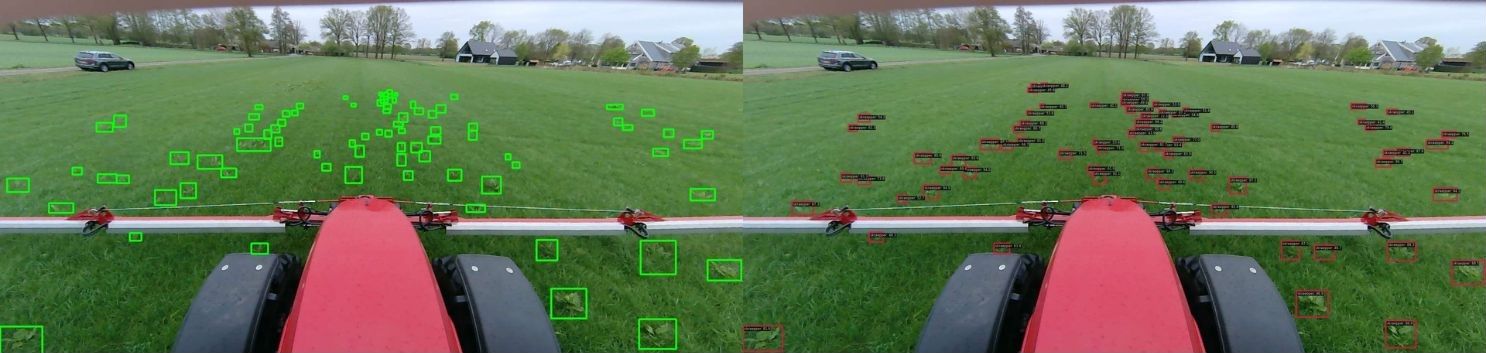
PerPlant ApS is a Danish agriculture SME developing AI-powered camera sensors that identify weeds at plant level and enable targeted crop treatment.
D-Cube – Immersive Solutions specialises in advanced AI architectures, ML optimisation and large-scale model training. The partnership combines agricultural, computer vision and HPC expertise to develop a precision spraying solution for European arable farmers.
The Challenge
European farmers face increasing pressure to reduce herbicide use while maintaining crop yields and profitability. Conventional spraying treats entire fields regardless of weed density, environmental impact and regulatory risk.
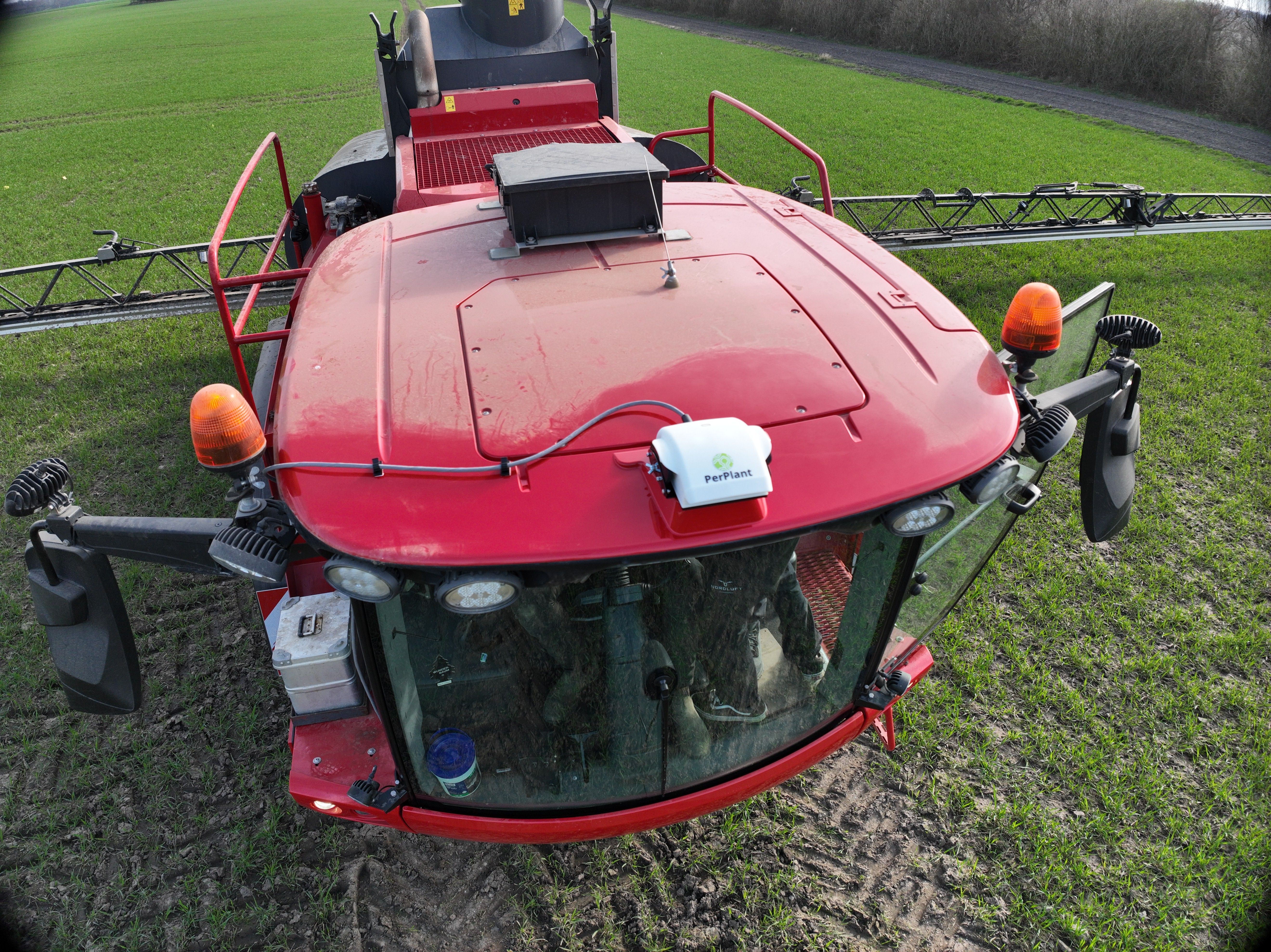
Existing vision-based systems can struggle with variable field conditions (e.g. changing light, shadows, dust and crop diversity) while some solutions are too expensive for widespread adoption. PerPlant identified the gap for an affordable retrofit system capable of detecting weeds with centimetre-level accuracy and precision spraying at tractor speeds of up to 15 km/h.
Achieving this required development of a Vision Transformer foundation model trained on 267,324 high-resolution images collected across seven crop types in four European countries. The dataset demanded intensive multi-GPU processing, large-scale experimentation and model refinement.
Conventional computing resources could not deliver the required training performance within viable timescales. Access to HPC was therefore essential to accelerate AI development, remove training bottlenecks and create a field-ready solution capable of reliable operation under diverse agricultural conditions.
The Solution
PerPlant and D-Cube developed an intelligent camera-based precision spraying system that retrofits onto existing machinery. Cameras continuously analyse crops and weeds as the tractor moves through the field, applying herbicide only where required and without cloud connectivity.
Leonardo was used to train large Vision Transformer models using semi-supervised learning and active-learning techniques. HPC resources enabled processing of the 168 GB image dataset to accelerate model optimisation cycles. The resulting model was engineered for real-time edge deployment, delivering reliable weed detection in challenging environments while reducing training times by 50% and prescription errors by 60% compared with standard computing approaches.
Business Impact
The project has enabled PerPlant’s transition from technology development to commercial deployment, and strengthened its position in the rapidly expanding precision agriculture market. HPC-enabled AI training significantly reduced development times, allowing faster product refinement, earlier customer engagement and a shorter route to market. With a target of 700 deployed systems across Nordic and wider European markets over five years, revenue is estimated to exceed €7 million for hardware and €700,000 for software.
For farmers, the system delivers measurable operational and environmental benefits through targeted weed control. Herbicide usage can be reduced by up to 90%, generating savings of up to €70 per hectare while supporting compliance with stringent sustainability targets. At around €5 per hectare, the solution is approximately 6 x cheaper to operate than drone-based alternatives, making precision agriculture economically accessible for mainstream farming.
Business Benefits
- 50% faster model training cycles through multi-GPU processing.
- 60% reduction in prescription errors, improving weed detection accuracy in diverse field conditions.
- Up to 90% reduction in herbicide use, lowering environmental impact and input costs.
- Savings of up to €70 per hectare for farmers through targeted spraying.
- Operating cost of approximately €5/hectare, around 6× lower than drone alternatives.
- 50 paying customers secured and a 700-unit commercial deployment target within five years.